"Exploring the Intriguing Beauty of Swirl Patterns: A Study in Shape and Symmetry"

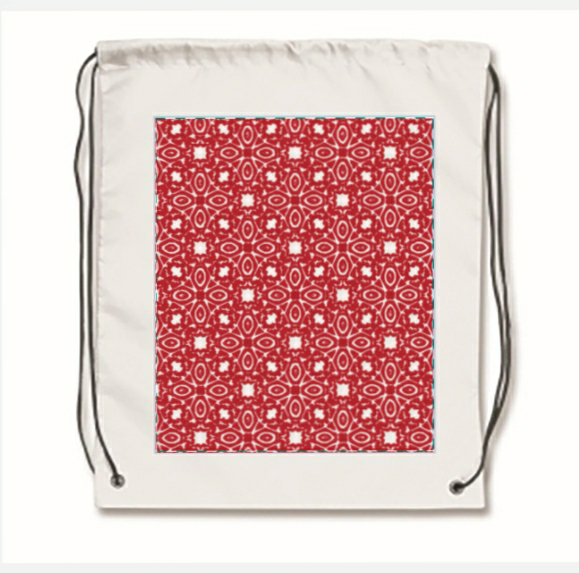
 Graphic shape pattern
 That is why I chose BLOG as my number one project. There are many different types of initiation like website and iPod.
Explain Swirl pattern tile
The Swirl pattern tile is a popular design element used in various art forms, including:
*Definition:* A Swirl pattern tile is a repeating design featuring swirling shapes, curves, or spirals that seamlessly connect to create a continuous pattern.
*Characteristics:*
1. Fluid curves: Smooth, flowing lines that twist and turn.
2. Spiral shapes: Concentric or interconnected spirals.
3. Seamless repeat: Tiles fit together without gaps or overlaps.
4. Symmetry: Often features radial or reflection symmetry.
*Types of Swirl Patterns:*
1. Organic: Inspired by nature (e.g., waves, flowers).
2. Geometric: Based on shapes (e.g., circles, triangles).
3. Abstract: Non-representational, expressive designs.
*Uses:*
1. Textiles (fabric, wallpaper)
2. Graphic design (logos, branding)
3. Ceramics (tiles, pottery)
4. Digital art (wallpapers, backgrounds)
5. Zentangle and doodle art
*Design Techniques:*
1. Hand-drawing: Using pens, pencils, or markers.
2. Digital tools: Adobe Illustrator, Procreate, or Photoshop.
3. Tiling software: Specialized programs for creating seamless patterns.
*Tips for Creating Swirl Patterns:*
1. Start with simple shapes.
2. Experiment with different curves and spirals.
3. Use symmetry and reflection.
4. Play with colors and textures.
5. Practice, practice, practice!
*Inspiration:*
1. Nature (waves, flowers, clouds)
2. Art Nouveau and Celtic art
3. Abstract expressionism
4. M.C. Escher's works
Would you like:
1. A step-by-step tutorial on creating a swirl pattern?
2. Inspiration for specific swirl pattern styles?
3. Guidance on using swirl patterns in graphic design?
4. Recommendations for software or brushes.
That's amazing!
Now share your experience:
_How did You create the swirl pattern?_
1. Freehand drawing?
2. Using a template or stencil?
3. Digital drawing tools?
_What inspired your design?_
1. Nature?
2. Artistic styles (e.g., Art Nouveau, Celtic)?
3. Abstract expressionism?
_What do you plan to use your swirl pattern tile for?_
1. Textile design?
2. Graphic design?
3. Wall art?
4. Personal projects?
_Would you like tips on:_
1. Refining your design?
2. Creating variations?
3. Using your tile in different projects?
Share my swirl pattern tile creation story!
Creating a blog -
*Niche Ideas:*
1. Art and design
2. Lifestyle (fashion, beauty, travel)
3. Food and recipes
4. Personal development
5. Technology
6. Gaming
7. Education
8. Wellness
*Key Considerations:*
1. Target audience
2. Content strategy
3. Visual branding (logo, theme)
4. Writing style and tone
5. SEO optimization
6. Engagement and community building
*Tips and Resources:*
1. Consistency is key
2. Use high-quality images
3. Optimize for mobile
4. Engage with readers
5. Analyze performance with analytics tools
I have been through the resource like Skillshare, Google blog and Social media for displaying my project and blog features.
Exploring Swirl Patterns: A Creative Odyssey
Swirl patterns have captivated human imagination since ancient times, appearing in nature, art, and design. This article embarks on a journey to explore the mesmerizing world of swirls, uncovering their significance, artistic expressions, and practical applications.
*The Allure of Swirls*
Swirl patterns evoke emotions, symbolize movement, and represent transformation. From whirlpools to galaxies, swirls showcase nature's majesty. In art, swirls convey energy, dynamism, and creativity.
*Types of Swirl Patterns*
1. Spiral Patterns: Logarithmic, Fibonacci, and Golden Spirals
2. Vortex Patterns: Whirlpools, Tornadoes, and Cosmic Swirls
3. Organic Swirls: Flowers, Leaves, and Biological Forms
4. Geometric Swirls: Mandalas, Kaleidoscopes, and Symmetries
*Artistic Expressions*
1. Watercolor Swirling
2. Digital Painting and Manipulation
3. Mixed Media Collages
4. Photography: Capturing Swirls in Nature
*Design Applications*
1. Textile Design: Fabrics, Wallpapers, and Patterns
2. Graphic Design: Logos, Branding, and Typography
3. Interior Design: Wallpaper, Furniture, and Decor
4. Fashion Design: Clothing, Accessories, and Textiles
Cultural significance
1. Art Nouveau and Psychedelic Art
2. Nature's Swirls: Galaxies, Flowers, and Waves
3. Cultural Symbolism: Celtic Knots, Islamic Art, and Mandalas.
Swirl patterns inspire creativity, symbolize transformation, and connect us to nature. By exploring swirls, we uncover new perspectives, artistic techniques, and design possibilities.
Join the conversation and let's celebrate the beauty and significance of swirl patterns.
*Tone:* Informative, Inspirational, Creative
*Style:* Engaging, Conversational, Descriptive
*Keywords:* Swirl patterns, art, design, inspiration, creativity, nature, symbolism.
*Header Tags:*
H1: Exploring Swirl Patterns
H2: The Allure of Swirls, Types of Swirl Patterns
H3: Artistic Expressions, Design Applications, Cultural Significance
*Image Suggestions:*
1. Swirl-inspired art pieces
2. Nature's swirls (galaxies, flowers, waves)
3. Design examples (textiles, graphics, interiors)
4. Cultural symbols (Celtic knots, Islamic art)
*Writing Tips:*
1. Use vivid descriptions and imagery.
2. Include examples and case studies.
3. Provide inspiration and creative prompts.
4. Use header tags and keywords for SEO optimization.
This writing guide provides a comprehensive outline for exploring swirl patterns.
So far so good the way my blog features are going.
Thank to you all for being so responsive and supporting the ipage blog. Keep in touch (◍•ᴗ•◍)❤
Cheers,
Gcb studios
Comments
Post a Comment