
Watercolor abstract composition is a art style that combines two techniques:
1. *Watercolor*: A painting method that uses water-soluble pigments on paper or another absorbent surface. Watercolor is known for its transparent, fluid, and often unpredictable nature.
2. *Abstract composition*: A art approach that focuses on creating non-representational artworks, emphasizing color, shape, texture, and emotion rather than depicting realistic subjects.
Watercolor abstract composition, therefore, involves creating artworks that:
- Use watercolor techniques to apply paint
- Emphasize expressive brushstrokes, color relationships, and textures
- Don't aim to represent recognizable subjects or forms
- Focus on evoking emotions, moods, or atmospheres
This style often results in dreamy, ethereal, and dynamic pieces that celebrate the beauty of color and composition.

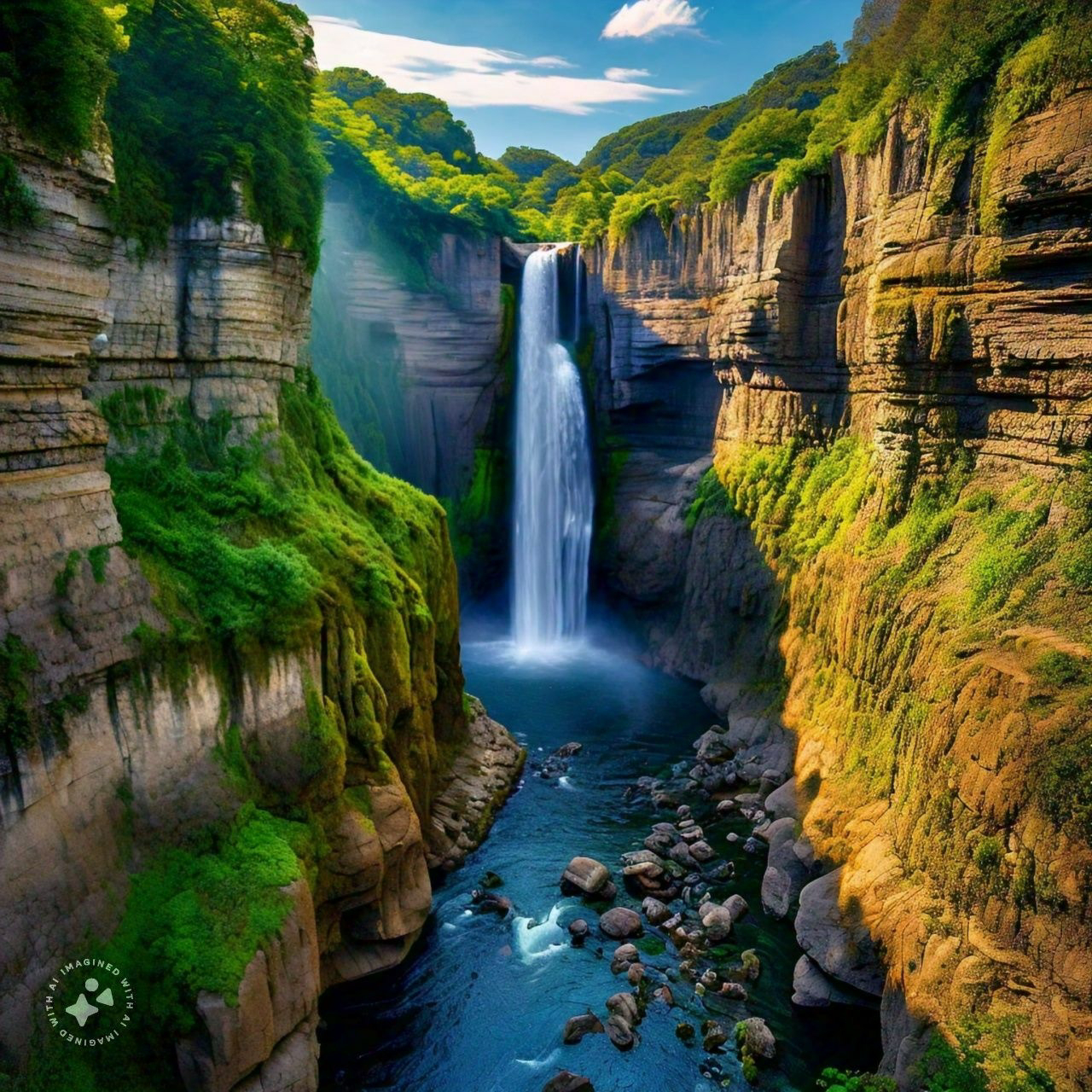
So in the following exercises I thought we could do more than just splash some paint. We could actually apply some useful concepts and techniques to make your abstract art a little more interesting. We have tried to read the Ai composition of Watercolor abstract. I have gone ahead and created something beautiful and close to the scenic view as you can see above. But, I feel we can do much more than this. So, I have taken this challenge of painting my own Abstract composition watercolor.
Here are some ideas for abstract watercolor artworks:
1. *Galaxy*: Create a cosmic scene with vibrant blues, purples, and pinks, evoking stars and planets.
2. *Blooming Garden*: Depict a colorful, whimsical garden with loose brushstrokes and organic shapes.
3. *Ocean Waves*: Capture the movement and energy of the sea with blues and whites, suggesting waves and foam.
4. *Sunset Sky*: Paint a vibrant, abstract sunset with warm colors and soft blends.
5. *Cosmic Bloom*: Combine galaxy-like colors with organic shapes, suggesting a blooming flower in space.
6. *Dreamy Landscape*: Create a soft, ethereal landscape with pastel colors and subtle texture.
7. *Emotional Expressions*: Use watercolor to express emotions, like joy (bright colors), serenity (soft blues), or energy (bold strokes).
8. *Nature's Dance*: Depict the dynamic movement of nature, like leaves or branches swaying in the wind.
9. *Water World*: Explore the beauty of water, with blues and greens suggesting ripples, waves, or ocean depths.
10. *Abstract Florals*: Create vibrant, abstract flower arrangements, focusing on color and composition.
Feel free to pick any of these ideas or combine them to inspire your abstract watercolor artwork!
Preparing for abstract scenic views painting like the watercolor abstract composition I generated earlier involves a combination of inspiration gathering, material preparation, and creative warm-ups. Here's a step-by-step guide to help you get started:
Inspiration Gathering:
- Collect reference images of natural landscapes, skies, or seascapes that evoke emotions and inspire you.
- Explore the work of abstract landscape painters for color palette and composition ideas.
- Take note of the colors, textures, and patterns in nature.
Material Preparation:
- Gather watercolor paints, brushes, and paper (cold press or hot press).
- Choose a color palette inspired by your references.
- Set up your workspace with water, paper towels, and a mixing tray.
Creative Warm-ups:
- Practice expressive brushstrokes, like wet-on-wet, glazing, and drybrushing. Do not forget about the soap and water handy. Additional information let the white surface be white or black dots or lines with the pen or markers.
- Experiment with color mixing and blending.
- Create simple sketches or gesture paintings to loosen up your style.
Mindset Preparation:
- Embrace the unknown and let go of representational expectations.
- Focus on capturing the essence and emotion of the scenery rather than precise details.
- Allow yourself to explore and play with colors and textures.
By following these steps, you'll be well-prepared to create an abstract scenic view painting that captures the beauty and emotion of the natural world. Happy painting!
*Water World*: Explore the beauty of water, with blues and greens suggesting ripples, waves is going to be my Watercolor abstract paintings.
The supplies for the Watercolor abstract
Watercolor paints, paintbrushes, watercolor paper, a palette, a container of water, and soap.
Colors can be the ones in this beautiful scenic background.
Before I start with my Watercolor paintings there are different ways to make this painting.
First is to showcase the pattern/s


So, let us get started.
Welcome to the Gcb studios !


We are going use wet on wet technique and dry on dry technique as well. I will be also using some liquid soap near the waterfall.

Abstracting from a reference creates a very different kind of beginning. It took some time to recolor the pattern as a whole. As they say light color and the dark later with highlights of the cliffs and mountain, the big and small stones, waterfall and the whitish image. Afterall it is a waterfall abstract pattern that only speaks what the picture holds.
A close-up of a watercolor abstract painting with bright, flowing colors and expressive brushstrokes.
'Seloni, a Watercolor artist known for her vibrant and evocative watercolor abstractions.'
A larger view of the painting, showing its complex composition and dynamic energy.
'Seloni's paintings explore themes of emotion, memory, and the subconscious, using a unique blend of realism and abstraction.'
'I strive to create paintings that evoke a sense of wonder and curiosity, inviting the viewer to explore their own emotions and experiences.'
A selection of Seloni's paintings, each with distinct color palettes and abstract forms.
'Seloni's artistic journey has spanned decades, with exhibitions and recognition worldwide.'
A montage of Seloni's paintings in various settings, included for displays in the museums, galleries, and private collections.
'Through her abstract compositions, Seloni continues to inspire and captivate audiences.'
"Watercolor abstract art is a journey of creative expression and freedom. By embracing the unpredictability of watercolor paints, artists can tap into their imagination and bring unique visions to life. From the soft, ethereal landscapes to the vibrant, cosmic blooms, abstract watercolor art invites viewers to explore new worlds and emotions.
Through this blog post, we've explored the inspiration, techniques, and ideas that fuel watercolor abstract art. We've seen how artists can harness the power of color, texture, and composition to evoke emotions and capture the essence of the natural world.
As we conclude this journey, remember that watercolor abstract art is a never-ending exploration of creativity and self-expression. Whether you're an experienced artist or a curious beginner, the world of watercolor abstract art welcomes you to experiment, play, and create.
So let your brushstrokes dance across the paper, and your colors blend in unexpected ways. Embrace the beauty of the unknown, and let your art be a reflection of your unique vision and voice."
Next in this week I will be creating tangles of acrylic abstract composition. Hopefully, everything should be alright as far as the timing goes.
Thank you all for visiting and viewing my ipage blog.
Cheers,
Gcb studios
Comments
Post a Comment