
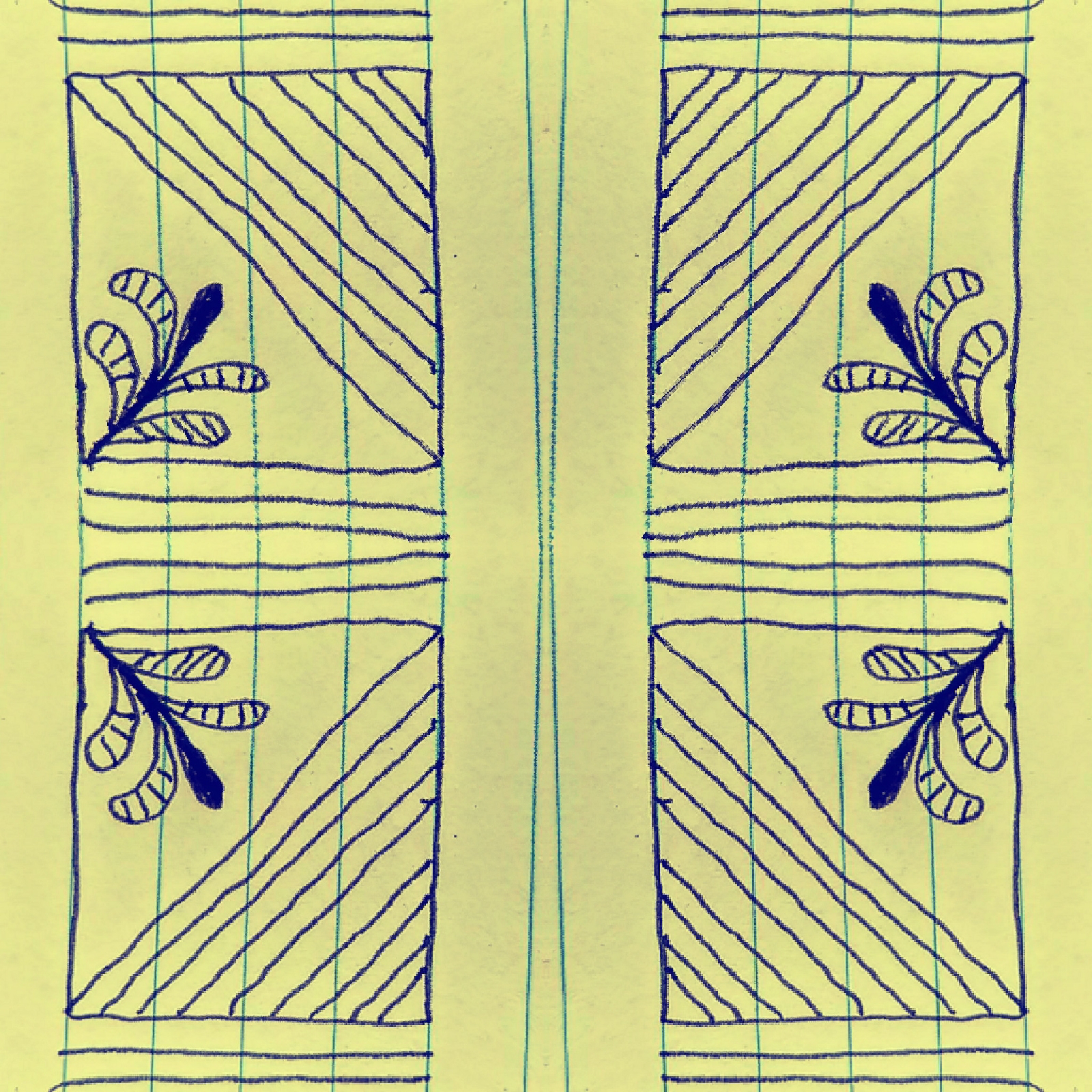
Zentangles pattern tile


         ््््Sketch Buster ््््


Just imagine how you are going to change your creativity schedule. This decision was changing my focus of what I wanted to expand my horizons of thoughts 💭. And my brain wave was so right that I clicked OK on my TV remote control and I found the perfect 
Zentangles pattern tile. I added it to my creation.
It was a weekday morning when I was sipping my tea. I just had a little bit hint that I started sketching an image after image. I was surely thrilled to find out what had happened. In Zentangles they have a motto to create lovely images with relaxed and happy mind. You follow the eight steps of Zentangle method
https://zentangle.com/pages/get-started
Zentangles pattern tiles 
It is so fabulous that we have something to explore to the whole wide world. 
petals float means floating flowers and foliage as a form of reverence towards nature, a sign or a way to adorn your home with something so adorable and beautiful kept in a bowl as a part of the decorations. Petals symbolize passion and love. The best part is shading. That separates the beauty of the image sketched out. It is when I realized that though I don't think about the actual petals but that does exist as a picture on a wall. 


Thank you for visiting and viewing ipage blog. Next week I will be posting more on Zentangles pattern tile.

Cheers,
Gcb studio 
Comments

Popular posts from this blog

Concept of Creativity

  The "new concept of creative" generally refers to   an overarching, innovative theme or idea   that serves as the foundation for a project or campaign, moving beyond simple individual ideas to a holistic, memorable message.   Key Aspects of the "New Concept of Creative" Novelty and Usefulness:  Creativity is defined as the ability to produce work that is both original (novel) and appropriate (useful or adaptive to task constraints). Overarching Theme:  A strong concept is not just an entertaining idea, but a foundational idea that can be sustained across various media and over time (e.g., Nike's "Just Do It"). It provides a consistent story and direction for all related communications. Emotional Connection:  Successful creative concepts often evoke an emotional response, which helps in connecting with the target audience and making the message memorable. Alignment with Values:  Modern concepts emphasize staying true to brand or community values,...

InDesign project

  InDesign Graphic Design Key Concepts and Uses Overview: Adobe InDesign is a professional desktop publishing software widely used for creating layouts for print and digital media. It’s a staple tool for graphic designers, especially in editorial, marketing, and publishing industries. Core Uses: Magazine and newspaper layouts Brochures and flyers Books and eBooks Posters and advertisements Interactive PDFs and digital publications Key Features: Master Pages: Create consistent layouts across multiple pages. Typography Control: Advanced tools for kerning, tracking, leading, and styles. Grid Systems: Align and organize content precisely. Linked Assets: Place images and graphics that update automatically when edited. Preflight and Packaging: Check files for errors and gather all assets for printing. Design Tips: Use paragraph and character styles for consistent text formatting. Leverage layers to organize complex layouts. Utilize color swatches and libraries for brand consistency. Expo...

Abstract cubism

  Abstract cubism in Indian art began with Gaganendranath Tagore, who is considered a pioneer for his work in the early 20th century, blending Cubist principles with Indian themes. Other artists like the Progressive Artists' Group (including M.F. Husain and F.N. Souza) and later modernists such as Jehangir Sabavala further incorporated Cubist elements, often in ways that were unique to the Indian context. Indian cubism is characterized by its distinct interpretations, using techniques like geometric fragmentation and an emphasis on light and shadow, but often maintaining a sense of atmosphere or a connection to local subject matter.  Key characteristics and artists Gaganendranath Tagore (Early pioneer): First Indian artist to experiment with cubism, sometimes referred to as "Indian Cubism". Incorporated features like diagonal compositions and translucent forms. Maintained a sense of atmosphere and a connection to indigenous subjects, even while breaking them down into ge...